Monstera Pattern: A Tropical Touch for Your Creative Projects
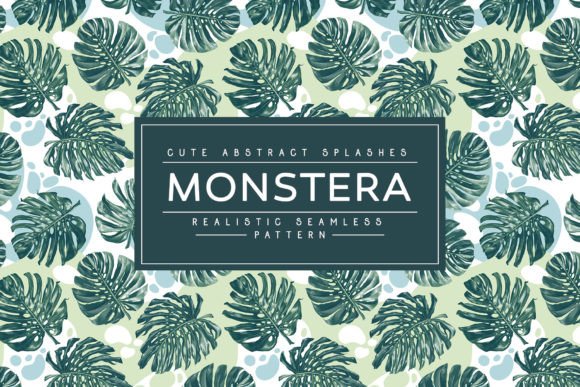
Imagine a design element that instantly transports your audience to a sun-drenched, lush oasis. That's the power of a well-crafted Monstera Pattern. It's more than just a collection of leaves; it's a versatile design asset that can breathe life into a wide array of projects, from physical products to digital interfaces. This specific pattern, featuring realistic Monstera palm leaves intertwined with abstract light lettuce and blue splashes on a clean white background, offers a unique blend of botanical accuracy and artistic flair. The hand-drawn, vector-based motifs ensure crispness at any scale, making it a practical and beautiful choice for designers and creators alike.
A Closer Look at the Design and Its Versatility
The beauty of this particular Monstera Pattern lies in its thoughtful composition. Each leaf is meticulously hand-drawn, capturing the iconic splits and fenestrations that make the Monstera so recognizable. The addition of abstract splashes in soft, complementary colors adds a layer of modern artistry, preventing the design from feeling like a standard botanical illustration. This makes it exceptionally adaptable. The seamless, repeating tile format means it can cover large surfaces without awkward breaks, a crucial feature for applications like textile printing, wallpaper, or wrapping paper. Saved in multiple formats, including PNG with a transparent background, AI, EPS, and high-resolution JPG, it's ready to be integrated directly into your workflow, whether you're working in Adobe Illustrator, Photoshop, or other design software.
For a small business owner or entrepreneur, this pattern solves a common problem: finding high-quality, unique design assets that aren't overused. Using this Monstera Pattern on product packaging for a skincare line, for instance, immediately communicates a fresh, natural, and contemporary brand identity. It can elevate the unboxing experience for customers, turning a simple box into a memorable brand touchpoint. Similarly, for a café or a juice bar, incorporating this pattern into menu designs, staff aprons, or even custom wallpaper can create a cohesive and inviting atmosphere that customers will remember and associate with your brand.
From Textiles to Digital Screens: Practical Applications
The true value of a design asset like this is measured in its utility. Let's break down where this Monstera Pattern can make a real impact:
- Physical Products and Merchandise: This is where the pattern was designed to shine. Think beyond just T-shirts. It's perfect for creating standout tote bags, swimwear, yoga mats, phone cases, and even furniture upholstery. The high-resolution files ensure that prints are sharp and vibrant, whether on fabric or rigid materials.
- Packaging and Print Collateral: Gift wrap, greeting cards, wedding invitations, and shopping bags become instantly premium with this pattern as a background. It adds a tactile, luxurious feel to printed materials. For a brand's lookbook or editorial layout, using it as a section divider or a subtle page border can tie the visual story together beautifully.
- Digital Presence and Social Media: In the crowded space of social media, visual consistency is key to brand recognition. This pattern can serve as a stunning background for Instagram posts, Stories, Facebook covers, and YouTube channel art. It ensures your feed looks curated and professional. For bloggers or content creators, it can become the signature backdrop for quote graphics or promotional banners, making your content instantly identifiable as yours.
- Brand Identity and Marketing: While not a font, a strong pattern works alongside typography to build a complete brand identity. Imagine pairing this organic Monstera Pattern with a clean, modern sans serif font for your logo and headlines. The contrast creates a dynamic and balanced visual system. It can be used sparingly as an accent in advertising flyers, on website headers, or in email newsletter backgrounds to add energy without overwhelming the message.
Making It Work for Your Brand: Practical Tips
Integrating a bold pattern requires a bit of strategy to avoid visual clutter. Here’s how to use it effectively:
Start with a Single Application. Don't feel pressured to use it everywhere at once. Begin by applying it to one key element, like your product packaging or your Instagram profile picture background. See how it interacts with your logo and other brand colors. This test phase is crucial for understanding its impact.
Balance is Everything. The Monstera Pattern is rich with detail. Pair it with plenty of white space or solid, neutral colors. If you're using it on a website, consider using it as a full-page background with a semi-transparent white overlay to ensure your text remains perfectly readable. For print, a large-scale application on one side of a brochure paired with clean typography on the other creates a sophisticated hierarchy.
Consider Color and Scale. The pattern comes on a white background, but you can explore changing the background color in your vector software to match your brand palette—soft pastels or even deep navy could create dramatically different moods. While the vector format allows for any scale, think about the context. A larger, more open repeat might work better for wallpaper, while a tighter, smaller repeat could be ideal for a T-shirt print.
Think About Your Audience. Does a tropical, botanical aesthetic resonate with your target market? For brands in wellness, beauty, travel, fashion, or lifestyle, this pattern can be a perfect fit. It evokes feelings of relaxation, nature, and modern style. Always align your design choices with the emotions and values you want your brand to communicate.
Ultimately, a resource like this Monstera Pattern is about adding a layer of professionalism and creativity to your projects. It's a tool that can help you build a more visually cohesive and engaging brand presence, whether you're designing for print or screen. By choosing assets that are both beautiful and functional, you invest in the long-term perception of your work, making every touchpoint—from a social media post to a product label—feel intentionally designed and distinctly yours.