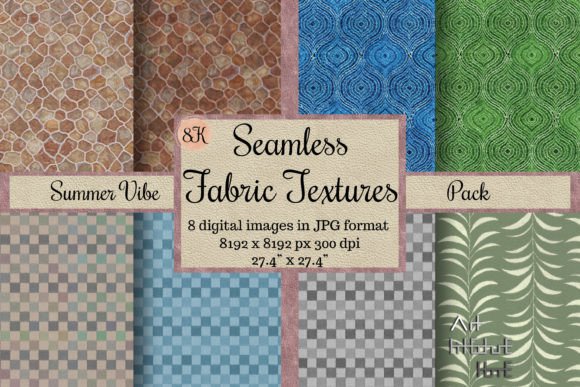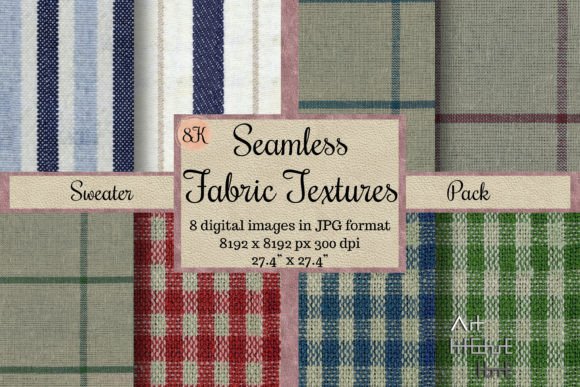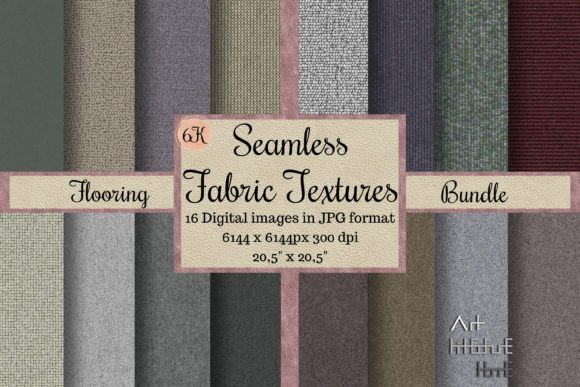
Seamless Fabric Textures: A Designer's Species Pack
There's a certain tactile quality that digital projects often miss. A flat color background is functional, but it rarely tells a story or evokes a feeling. This is where the strategic use of texture changes everything. Imagine the visual weight of a crisp linen for a wedding invitation, the cozy depth of a knit pattern for a winter campaign, or the refined elegance of a silk for a luxury brand mockup. The Seamless Fabric Textures - Species Pack is designed to bridge that gap between the digital screen and the physical feel of materials, offering a curated collection of high-resolution, tileable patterns that bring warmth and sophistication to any creative endeavor.
Why Seamless Matters More Than You Think
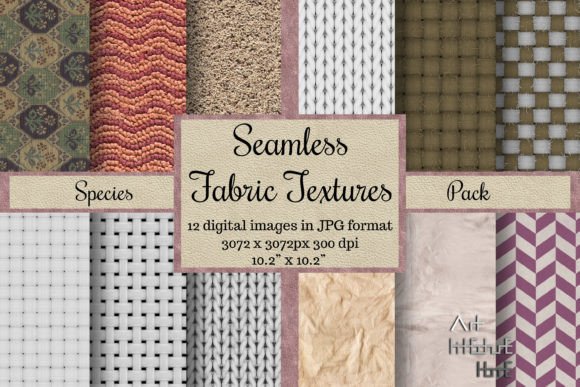
The term "seamless" is the cornerstone of this asset pack's utility. A seamless texture means the pattern is engineered to tile perfectly in all directions, eliminating any visible lines or breaks when repeated. For a designer, this is non-negotiable. It means you can scale a background from a small social media graphic to a massive banner for a trade show booth without worrying about awkward repetition or distortion. The technical specifications—10.2 x 10.2 inches at 300 DPI, translating to a crisp 3072 x 3072 pixels—ensure that whether you're working on a detailed print project or a high-resolution digital mockup, the integrity of the texture holds. This isn't just a decorative element; it's a professional-grade design asset built for real-world application.
The "Species Pack" aspect speaks to the variety within the collection. You're not getting 12 slight variations of the same weave. Instead, you receive a diverse library of fabric types, each with its own unique character and visual rhythm. This variety is crucial for maintaining a fresh yet cohesive visual language across different projects or even different campaigns for the same brand. One texture might convey rustic authenticity, while another suggests modern minimalism, giving you a flexible toolkit to match the specific emotional tone of your work.
Practical Applications for the Modern Creative
The true value of a resource like this is found in its versatility. For entrepreneurs and small business owners building a brand identity, these textures offer an immediate way to add depth and a sense of craftsmanship. Use a subtle canvas texture as the background for your website's hero section to imply handmade quality, or incorporate a pinstripe fabric pattern into your logo design to suggest precision and tailoring. This kind of thoughtful detail elevates a brand from generic to memorable.
Content creators and marketers will find endless uses for enhancing visual storytelling. A food blogger can use a linen texture as a base for recipe cards, creating a cohesive and appetizing feed. A social media manager can quickly generate on-brand story templates or post backgrounds that stand out in a crowded timeline. The textures are equally at home in print materials—think letterheads with a faint woven pattern, business cards with a tactile feel, or posters and invitations that demand a second look. For those in the Cricut or vinyl decal space, these high-resolution files are perfect for creating unique printable designs, decals, and even custom fabrics for projects.
Integrating Texture into Your Design Workflow
When introducing a new asset like the Seamless Fabric Textures - Species Pack into your workflow, a little strategy goes a long way. Start by auditing your current projects. Where could a touch of texture add personality or solve a visual problem? Perhaps a flat color logo feels uninspired, or a website background is too sterile. A carefully chosen texture can add the necessary visual interest without competing with your core message.
Pairing is key. A bold, display font for headlines pairs beautifully with a subtle, fine-grain fabric texture for the background, ensuring readability remains paramount. Conversely, a delicate script font might get lost on a busy, high-contrast weave. Always test your typography choices against the texture at various sizes. Consider the mood: a distressed denim texture suits a casual, outdoor brand, while a smooth satin is ideal for cosmetics or luxury goods. The licensing included with such packs typically allows for commercial use, giving you the freedom to apply these assets to client work, merchandise, and digital products with confidence. By treating these textures as a fundamental part of your design system rather than an afterthought, you can build a more robust, recognizable, and engaging visual presence across every touchpoint.