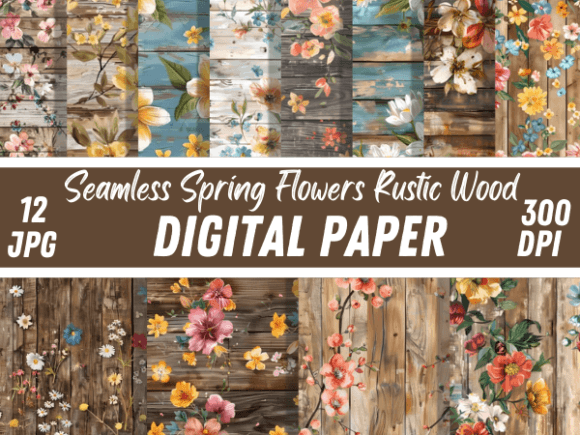
Spring Flowers Rustic Wooden Backgrounds: A Designer's Delight
There’s an undeniable warmth that comes from combining the delicate beauty of spring blooms with the weathered, honest texture of wood. It’s a pairing that feels both nostalgic and refreshingly modern, evoking a sense of rustic charm and handcrafted elegance. This visual language speaks directly to a growing audience that values authenticity, natural aesthetics, and a touch of vintage whimsy in the brands and products they love.
For designers, marketers, and creative entrepreneurs, capturing this specific mood can be a challenge. Sourcing or creating high-quality, seamless textures that balance floral softness with rustic grit is time-consuming. This is where a thoughtfully curated digital asset, like a collection of Spring Flowers Rustic Wooden Backgrounds, becomes an invaluable part of your creative toolkit. It’s not just a pretty picture; it’s a foundational element for building cohesive, emotionally resonant visual identities.
Beyond the Surface: The Psychology of Rustic Florals
Why does this particular aesthetic resonate so powerfully? The combination taps into several key psychological triggers. Wood grain suggests stability, tradition, and craftsmanship. It feels grounded and real. Spring flowers, on the other hand, symbolize renewal, growth, and gentle beauty. When merged, they create a narrative of enduring quality and organic charm.
This visual style is perfect for brands that want to convey:
- Artisanal Quality: Think handmade soaps, boutique bakeries, or custom stationery.
- Sustainable & Natural Values: Ideal for eco-friendly products, organic skincare, or garden centers.
- Timeless Romance: A natural fit for wedding planners, florists, and vintage-inspired fashion.
- Cozy Comfort: Excellent for home décor blogs, craft supply stores, or cozy café branding.
The shabby chic and cottage vintage undertones of such a pattern add a layer of soft, approachable sophistication. It avoids the sterility of flat digital design, offering a tangible, textured feel that digital audiences crave.
Practical Applications for Your Creative Projects
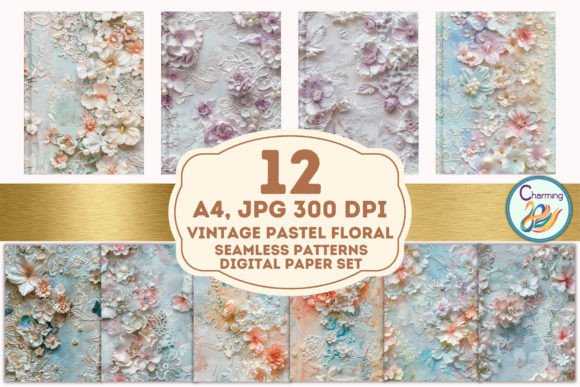
The true value of a versatile asset like this lies in its adaptability. With a set of 12 high-resolution, seamless digital papers, the possibilities extend far beyond a single use. Here’s how you can integrate this aesthetic into your workflow:
Brand Identity & Marketing Collateral: Use the patterns as subtle website backgrounds, hero image overlays, or texture for business cards and letterheads. The consistent use of this rustic floral pattern across all touchpoints strengthens brand recognition and tells a cohesive story. For social media graphics, these backgrounds make quotes, announcements, and product shots stand out in a crowded feed, boosting engagement.
Packaging & Product Design: This is where the asset shines. Imagine product labels, box liners, or tissue paper featuring a soft, pastel patterned floral wood texture. It instantly elevates perceived value. For print-on-demand services, these files are perfect for creating custom fabric for tote bags, pillowcases, or apparel, as well as sublimation designs for mugs, tumblers, and phone cases.
Editorial & Digital Design: Bloggers and content creators can use these backgrounds for featured images, Pinterest pins, or even as a subtle texture behind text in an eBook or digital magazine. The 300 DPI resolution ensures clarity for both web design and high-quality print materials like posters, flyers, and invitation suites.
Integrating Texture into a Modern Design Workflow
A common concern with textured backgrounds is maintaining readability and a clean, professional look. The key is in the application and pairing.
Layering for Hierarchy: Don’t just slap the pattern over everything. Use it strategically. Apply a full-bleed background for a dramatic effect, or use a small, repeated section as a border or accent. Often, placing a solid, semi-transparent color overlay (like a soft white or cream) on top of the pattern can create a perfect, readable space for text while letting the texture peek through.
Font Pairing is Crucial: This is where your choice of typeface makes or breaks the design. The rustic, handcrafted feel of the background pairs beautifully with certain font styles:
- Classic Serifs: A clean, elegant serif (like a transitional or old-style typeface) adds a touch of formality and readability, balancing the casual texture.
- Modern Sans Serifs: A simple, geometric sans serif provides a clean, contemporary counterpoint, keeping the design from feeling overly "crafty."
- Authentic Scripts: A well-chosen handwritten font or script font can complement the organic feel, but use it sparingly for headlines or logos, not body text.
Color Palette Harmony: The included patterns likely feature soft, earthy, and botanical tones. Build your color palette directly from the image. Pull the deep brown of the wood, the sage green of a leaf, or the blush pink of a blossom to create a harmonious and professional presentation.
Key Considerations for Commercial Use
Before diving into any design project with downloaded assets, a quick review of the licensing terms is non-negotiable. Reputable digital asset marketplaces provide clear guidelines. Typically, a commercial license allows you to use the design in products you sell (like merchandise or printables) and in client work, but prohibits reselling the digital file itself as is. Always confirm the license covers your intended use, especially for large-scale distribution or sublimation products.
Furthermore, the note that "actual colors may vary slightly due to monitor settings" is a practical reminder for any digital work. For print-critical projects, always order a physical proof. The 3600x3600 pixel size and JPG format offer great flexibility, but for projects requiring transparency (like layering a floral element without the wood), you may need to perform a simple background removal in your editing software.
Ultimately, a resource like Spring Flowers Rustic Wooden Backgrounds is more than just a decorative element. It’s a starting point for storytelling, a tool for building visual consistency, and a shortcut to achieving a polished, emotionally engaging aesthetic that resonates with modern audiences. By applying it thoughtfully, you can transform ordinary projects into memorable experiences.