Seamless Fabric Textures for Flat Carpet Design Projects
Ever stared at a digital mockup or a physical print and felt like something was missing? That subtle, tactile quality that makes a design feel grounded and real. For creators working with interiors, product packaging, or digital backgrounds, achieving that authentic texture can be a constant challenge. This is where a reliable library of high-quality, seamless materials becomes an indispensable part of your toolkit, transforming flat visuals into immersive experiences.
Understanding the Core Asset
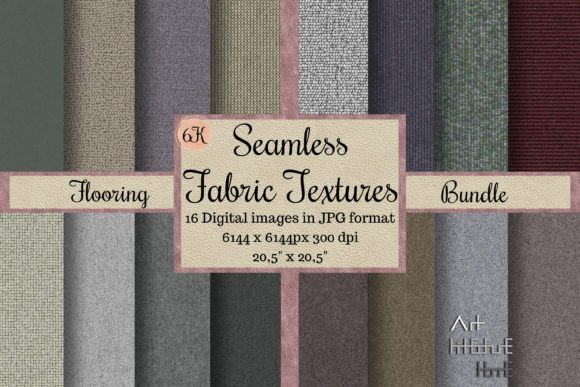
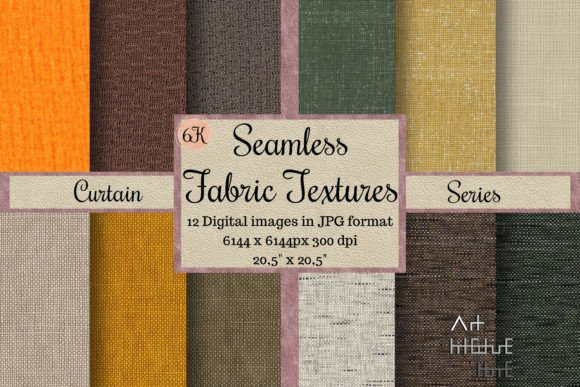
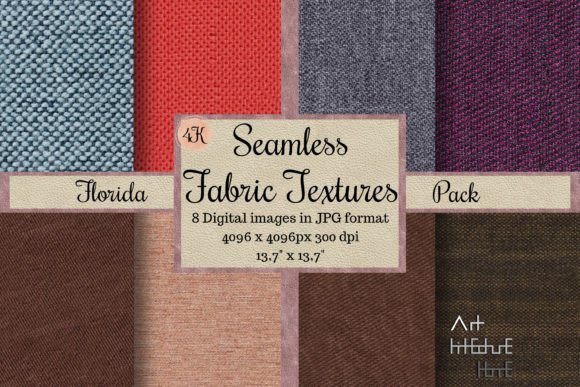
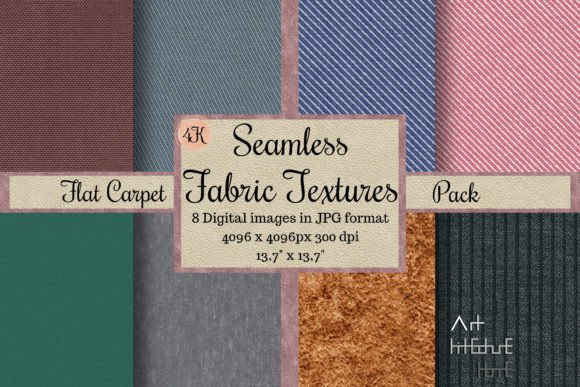
The Seamless Fabric Textures - Flat Carpet collection is precisely what it sounds like: a curated set of digital papers designed to replicate the look and feel of woven carpet materials. The key differentiator here is the seamless format. Each 4096 x 4096 pixel image (13.7 x 13.7 inches at 300 dpi) is engineered to tile flawlessly. This means you can apply the texture to a surface of any size—whether it's a tiny icon or a full-scale architectural rendering—without visible seams or awkward repetition patterns. The pack includes eight distinct patterns, plus a bonus fabric, offering variety from classic lined textures to more abstract textile weaves.
Visually, these textures provide a soft, consistent depth that flat colors simply cannot match. The subtle variations in thread and pile create a sense of warmth and physicality. This isn't just about decoration; it's about establishing a mood. A deep, plush carpet texture can evoke luxury and comfort in a branding context, while a tighter, more uniform weave might suggest precision and modernity for a tech company's background.
Practical Applications Beyond the Obvious
While the name suggests flooring, the utility of these digital assets extends far into various creative and commercial fields. Think of them as versatile building blocks for visual communication.
- Branding & Logo Design: Use a subtle carpet texture as a background element in a logo or brand pattern. It adds a layer of sophistication and tactile interest to stationery, business cards, and brand guidelines, helping to build a recognizable identity that feels complete.
- Packaging & Product Mockups: For products targeting home decor, fashion, or lifestyle markets, incorporating fabric textures into packaging design can instantly communicate quality and materiality. It helps customers visualize the product's context before they even touch it.
- Digital Presence: Websites, blogs, and social media graphics benefit enormously from textured backgrounds. They prevent designs from looking sterile and generic. A seamless carpet texture can serve as a beautiful, non-distracting backdrop for text, product images, or quote graphics, improving readability and visual hierarchy.
- Print & Physical Projects: The 300 dpi resolution makes these files perfect for large prints, posters, and invitations. Crafters and designers can use them for scrapbooking, vinyl decals, Cricut projects, and even miniature dollhouse sheets, ensuring professional results in every cut and fold.
- 3D & Architectural Visualization: For those in CG, Blender, or SketchUp, having a library of tileable, high-res textures is fundamental. These carpet textures can be applied directly to 3D models of floors, furniture, or walls, adding realism to interior design renders and architectural drawings.
Enhancing Your Design Workflow and Output
Integrating a resource like this into your process directly addresses several common design challenges. First, it promotes visual consistency. By using the same seamless texture across a brand's ecosystem—from the website hero image to the social media post to the printed brochure—you create a cohesive look that reinforces brand recognition. The audience begins to associate that specific visual quality with your message.
Second, it elevates professional presentation. A design that thoughtfully incorporates texture appears more finished and considered. It shows an attention to detail that can build trust with your audience, whether they are clients, customers, or followers. In a crowded digital landscape, that subtle polish can make a significant difference in engagement.
Finally, it streamlines creative exploration. Instead of spending hours trying to photograph or generate your own textures, you have a ready-to-use, quality-controlled asset. This frees up mental energy to focus on composition, typography, and message—the core elements that drive your project's success.
Choosing and Implementing with Purpose
Not every texture will suit every project. When selecting a pattern from this pack, consider the emotional tone you want to set. A tighter, more uniform weave often reads as modern and clean, suitable for tech or corporate branding. A more pronounced, varied texture might feel rustic, cozy, or artisanal, perfect for a café, boutique, or handmade goods brand.
Always test how the texture interacts with your other design elements. Place your primary typography or logo over it and check for readability. Sometimes, reducing the texture's opacity or applying a subtle color overlay can help it support rather than compete with your main content. Experiment with font pairings as well; a clean sans-serif often contrasts beautifully with a detailed textile background, while a elegant script might complement a softer, more luxurious fabric feel.
Before finalizing, review the commercial licensing of any design asset. This pack is clearly intended for both personal and commercial use, which is essential for entrepreneurs and small business owners who need to create marketable products without legal ambiguity.
In the end, the most effective designs are those that resonate on a sensory level. A well-chosen seamless fabric texture does more than fill space; it adds a layer of narrative and physicality that can make your work stand out. Whether you're designing a full brand identity, a single marketing asset, or a personal craft project, having the right textures at your fingertips is a practical step toward creating more engaging, professional, and memorable visuals. For more details on specific file formats or custom requests, reaching out to the creator can provide additional clarity for your unique projects.